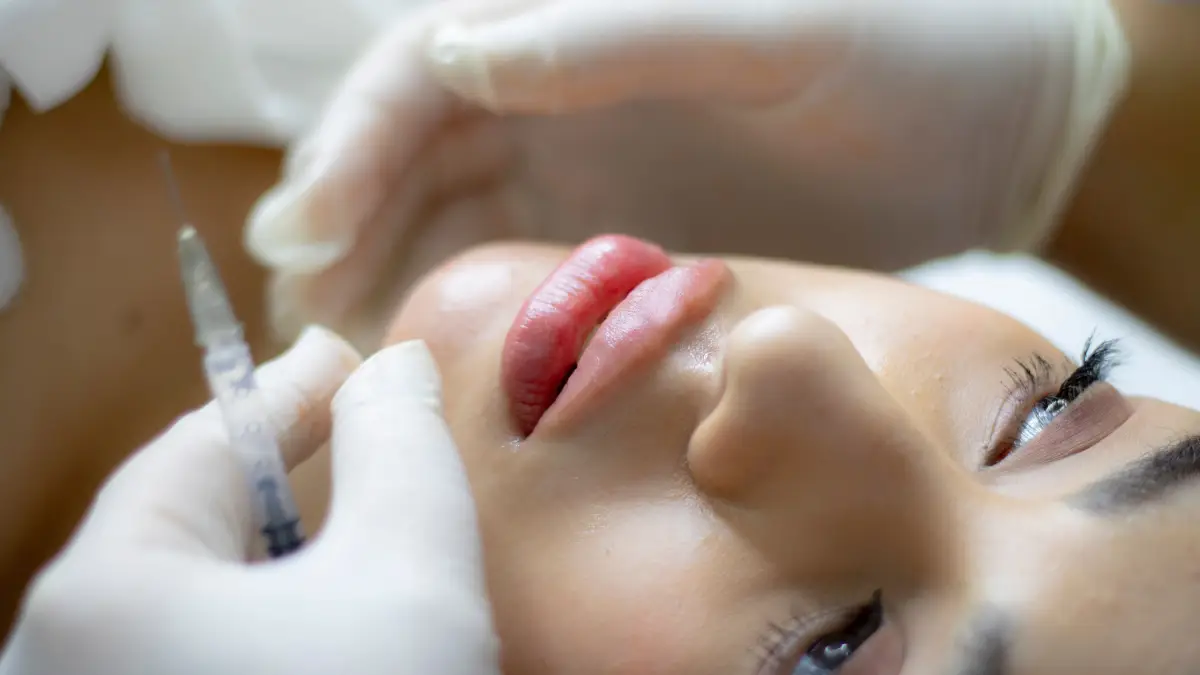
6 Tips to Treat Chapped Lips
Are you lips dry and chapped? The freezing weather we’re having at the moment can cause havoc on them, but it’s not the only culprit. The sun, dry air and the wind can all strip moisture from our lips, causing them to become dry and cracked. If you’re one of these unfortunate souls, fear not. Follow the tips below and your pout will be smiling again:
Don’t lick your lips!
When lips are dry and cracked, it’s really hard to resist the urge to lick them to get some relief. But you have to. While your lips may feel better for a few minutes, saliva can make moisture evaporate, drying your lips out even more.
Wear lip balm
Lip balms hydrate, moisturize, make lips soft and can help heal dry lips. However, not all lip balms are good for lips, especially when they are chapped. Avoid those that contain camphor, phenol and alcohol. Camphor is used to give lips a tingling and cooling sensation which gives lips a temporarily relief but also irritates them. Phenol is an irritant as well while Alcohol dries lips.
Always wear lip balm (vaseline works just as well too) before putting on any lip products and apply it before going to bed too. I do this every night and while some people laugh at me and think I’m mad, I always wake up with soft and moisturized lips the next morning.
Exfoliate
I know that exfoliating is probably the last thing you want to do, but if done with a gentle scrub it can be beneficial for lips. That’s because exfoliation removes the upper dead skin cells, allowing lip treatments to be absorbed, and therefore perform, better.
Wear sunscreen
UV rays can damage lips even more, so make sure you opt for lip balms, lipsticks or glosses that contain SPF any time you go out to protect your pout.
Wear hydrating lippies and glosses
Even if your lips are chapped and dry, you can still wear lipsticks and glosses, as long as you choose products with a moisturizing texture like Lancome Color Fever Lipstick, for example.
Go to the doctor
If you’ve tried everything and still your lips haven’t improved, then you should go visit a doctor. Dry lips can be a symptom of an underlying condition, like vitamin deficiency for example, and your doctor will be able to diagnose the problem and prescribe the appropriate treatment for your condition.
Do you have other tips to heal or prevent chapped lips?
4 Tips to Prevent Eye Wrinkles
Eyes are the windows to our soul and the first thing people see when they meet us. But because the skin around the eyes is thinner and more delicate, it is also the first to wrinkle. Let’s face it: aging is a natural process and can’t be avoided. We’re all going to get wrinkles at some point and, once they are there, they can’t be removed. But the good news is, we can prevent them from appearing too early. Here’s how:
1. Treat the eye area with care: the eye area is very delicate and should be treated gently. Don’t scratch, tag or rub your eyes because, overtime, that can lead to wrinkles. Also, always use your ring finger when applying eye cream or liner. Your ring finger is the weakest one and will therefore put less pressure on this delicate area.
2. Use anti-aging moisturizers: anti-aging products won’t repair the damage (no topical product can) but they can prevent it, so the sooner you start using them, the better. Also, moisturizers hydrate and plump skin, making fine lines and wrinkles look smaller.
3. Wear sunscreen: the sun rays are one of the main causes of ages, so don’t forget the eye area when you apply sunscreen every day.
4. Wear sunglasses: if it’s a sunny day and you’re going out, make sure you’re wearing your sunglasses. Not only they will protect you from the damage the sun rays cause to your skin, but they will always prevent you from squinting, which can cause wrinkles in the long run, on those bright days.
Have you got any more tips to prevent eye wrinkles?
Source
How to care for oily skin

Oily skin is a condition characterized by an overproduction of sebum which leads to a shiny appearance, clogged pores, blackheads, acne and large pores. For many people, oily skin begins during their teenagers years and then it goes away, but others struggle with it throughout their life.
What causes oily skin?
We all have sebaceous glands. Their job is to produce sebum, which is the skin’s natural moisturizer: it protects skin, keeps it smooth, hydrated and prevents it from becoming dry. The trouble starts when these glands produce too much sebum, leading to oily skin with all its problems mentioned above. But why does this happen only to some people, when everyone has the same number of sebaceous glands in their skin?
Genetics. Sebum production is stimulated by an hormone called dihydrotestosterone (DHT). When the body produces too much of it, or glands are overly sensitive to normal amounts of DHT, oil production increases. DHT, whose levels are genetic, appears in both girls and boys during puberty but its levels can rise also during the menstrual cycle.
The good thing about it though is that oily skin is well moisturized and because of that it tends to age better. This moisture, in fact, lubricates skin and helps reduce the appearance of fine lines and wrinkles.
How to treat oily skin
A good and balanced skincare routine with products designed for oily skin is very important to treat this condition. In fact, while you want to remove excess oil and shine, it is also important not to use products that are too harsh or your skin will become dry. Here are a few tips on how you can keep oily skin under control:
- Use a cleanser with Salicylic Acid twice a day. If your cleanser is too harsh or you use it too often, it will strip too much oil. This will just confuse your skin that, thinking it isn’t moisturized enough, will produce even more oil. Products with Salicylic Acid, a beta hydroxy acid (BHA), are good because this ingredient reduces sebum production and treats the causes of blemishes due to its antimicrobial and exfoliating properties. Because it can penetrate inside the pores, Salicylic Acid exfoliates both the pore from within and the surface of the skin, reducing blemishes and blackheads.
- Use toners with Salicylic Acid or Silica. They help remove excess oil and are therefore a must for people with oily skin. Alcohol-based toners should be avoided as they dry out the skin which responds by producing more oil. The only exception is if you have super oily skin. In that case, alcohol-based toners may actually help.
- Use a light moisturizer. Oily skin already produces too much sebum so a moisturizer isn’t always needed. If you want to use one, choose a light and oil-free moisturizer that doesn’t contain comedogenic ingredients. But if you have seriously oily skin, don’t use a moisturizer at all or you could make things worse.
- Wear sunscreen. Those with oily skin can be tempted to skip using a sunscreen but that’s never a good thing to do. Your skin still needs protection from the sun’s rays and a sunscreen should always be applied daily. Just choose a light one that is both oil-free and non-comedogenic.
- Exfoliate regularly. This will help remove any clogged pores but don’t overdo it (3 times a week is enough) or you could irritate skin and aggravate the problem.
- Use oil blotters to wipe excess shine from your face throughout the day without ruining your makeup.
- Apply a primer or a mattifier on your face before putting on your makeup. They can absorb excess shine and help makeup last longer.
When to see a doctor
If your skin is seriously oily and the tips above don’t help much it’s time to consult a dermatologist. You doctor may prescribe you topical prescriptions containing retinoids, sulfur or azelaic acid that can help with oily skin.
Source
How to Apply Eye Cream

Believe it or not, I can’t bring myself to buy an eye cream. The prices seem pretty high for such small jars or tubes and most of the time they contain the same ingredients as facial moisturizers, so I don’t see the point in buying one. I either use my normal moisturizer (unless it is very rich as I don’t want it to cause milia seeds) or those eye cream samples you find in magazines or sample kits.
But whatever products you use, it’s important to apply it correctly to reap the most benefits from it. When it comes to eye cream, though, everyone seems to have their own way to apply it. But what is the correct one? Read on to find out:
Wash your face
The first thing to do before applying any skincare products is to wash your face to remove dirt and other impurities. And if you have makeup on, you should obviously remove that too.
Don’t use too much
Use only a very small amount, about the size of a pea or even better that of a grain of rice. If you use too much, you risk getting milia seeds around your eyes and, once they harden, they’re not that easy to remove.
Use your ring finger
To apply your eye cream you should always use your ring finger. That is because the ring finger is the weakest one and so it won’t pull or tug at the delicate eye area nor apply too much pressure, which may lead to under-eye bags and fine lines.
Pat from the inner corner outwards
Apply three very small dots of cream to your under-eye area: one in the inner corner, one in the middle and one in the outer part. Now, using your ring finger, gently pat the cream from your inner corner outwards until it is completely absorbed. Repeat this step on the lid. One the outer corners of your eyes, use circular motions. This is supposed to help smooth out fine lines and wrinkles.
How do you apply your eye cream? Please, let me know in the comments.
How does cuticle remover work?

Cuticles removers are a main part of a manicure to remove rough, weird-looking cuticles and get perfect, polished nails. But have you ever wondered how they work?
Harsh chemicals
Two of the most common ingredients used in cuticle removers are Potassium Hydroxide and Sodium Hydroxide. They are both very alkaline (have a high ph) and caustic. These ingredients work by softening and breaking down the dead skin around the nail so that it can be removed gently with a nail knife or orange-wood stick.
Both ingredients can cause irritations and dryness if left on the skin for too long, so it’s important to wash your hands well and thoroughly after using products that contain them. In addition, they are poisonous when ingested so keep them away from small children.
A milder option
Products with Potassium Hydroxide and Sodium Hydroxide are pretty harsh and aggressive, so if you prefer a more gentle alternative, you can get one of the many cuticle removers on the market that use Alpha Hydroxy Acids (AHA) instead. This is a group of substances derived from plants or milk that act as exfoliants.
They break down the glue-like substance that hold skin cells together so that they can be easily pushed away. Although milder than Potassium Hydroxide and Sodium Hydroxide, AHAs can cause irritations too especially in people with sensitive skin.
Do you use a cuticle remover? Do you prefer to use mild ones with AHAs or don’t you mind using harsh chemicals to remove your cuticles?